JEE MAIN 2023 · 24 JAN S2Electrophilic addition to alkenesTRANSCRIBED
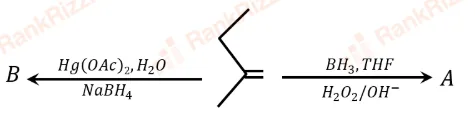
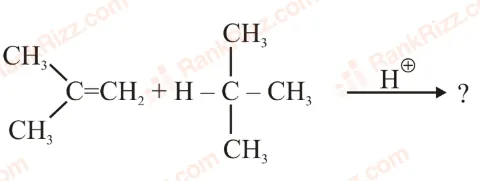
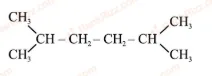
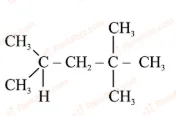
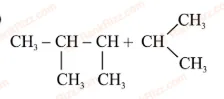
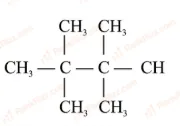
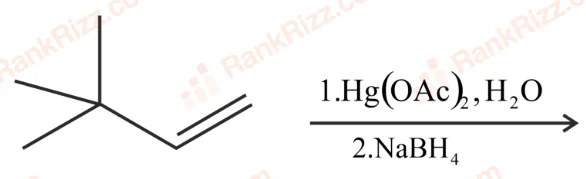
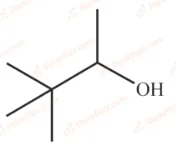
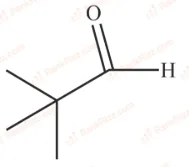
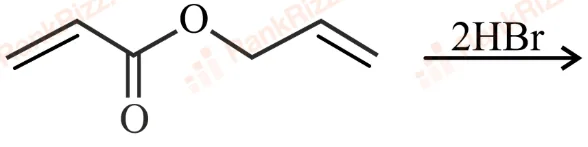
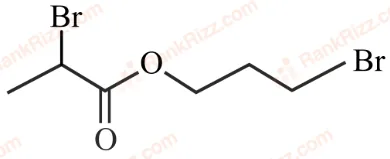
Find out the major products from the following reactions.
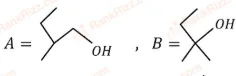
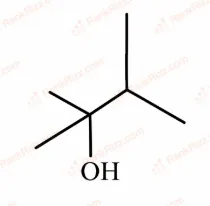
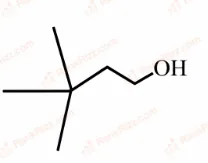
- A
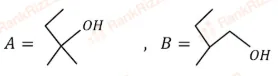
- B
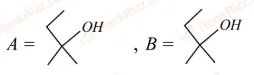
- C
- D
Every Hydrocarbons question JEE Main has set, grouped by the idea it tests rather than the order of the syllabus. 201 questions across 10 distinct ideas. Free to read, answer key on every one.
Questions
201
Distinct ideas
10
Share of marks
4.8%
Difficulty
HARD
A chapter is not one subject — it is a handful of procedures the examiner reuses. These are the ones Hydrocarbons questions actually test.
81–100 OF 201 · NEWEST FIRST
Find out the major products from the following reactions.
In the following given reaction 'A' is:
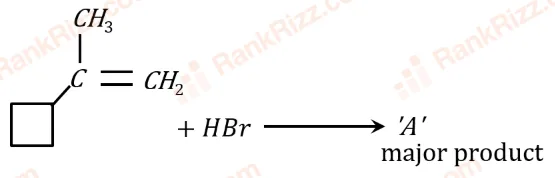
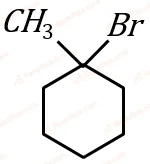
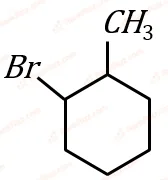
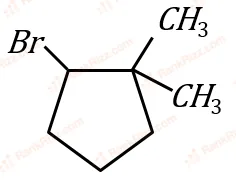
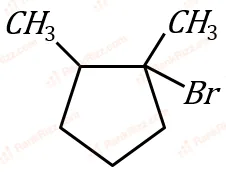
In the following given reaction 'A' is
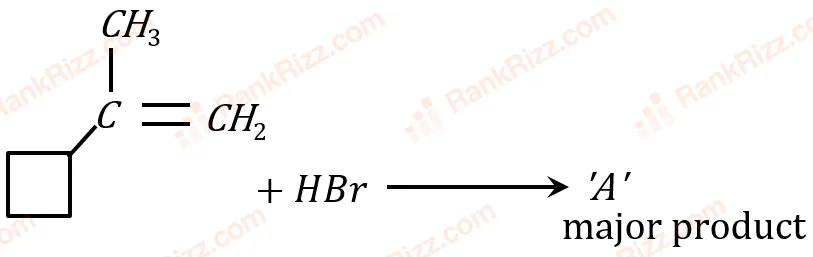
Option 1 (see figure)
Option 2 (see figure)
Option 3 (see figure)
Option 4 (see figure)
In the following reaction, 'B' is
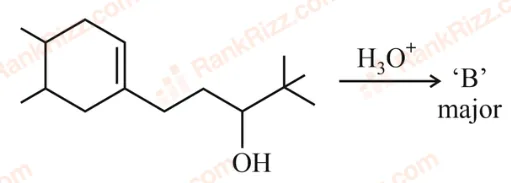
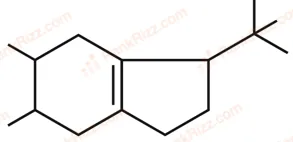
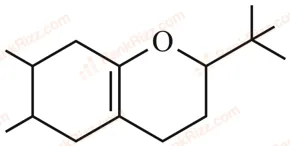
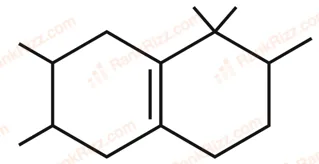
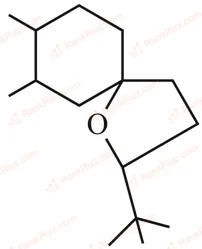
In the above reaction, left hand side and right hand side rings are named as 'A' and 'B' respectively. They undergo ring expansion. The correct statement for this process is:
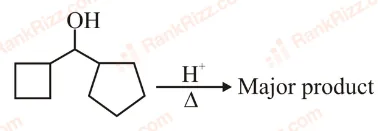
Ring expansion can go upto seven membered rings
Finally both rings will become six membered each.
Finally both rings will become five membered each.
Only A will become 6 membered.
Number of bromo derivatives obtained on treating ethane with excess of Br in diffused sunlight is ______
17 mg of a hydrocarbon (M.F. CH) takes up 8.40 mL of the H gas measured at 0°C and 760 mm of Hg. Ozonolysis of the same hydrocarbon yields

The number of double bond/s present in the hydrocarbon is
Molar mass of the hydrocarbon (X) which on ozonolysis consumes one mole of O per mole of (X) and gives one mole each of ethanal and propanone is ______ g mol (Molar mass of C: 12 g mol, H: 1 g mol)
The number of possible isomeric products formed when 3-chloro-1-butene reacts with HCl through carbocation formation is _______
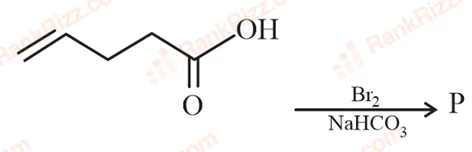
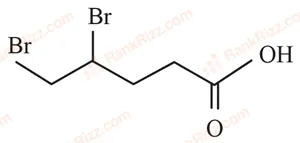
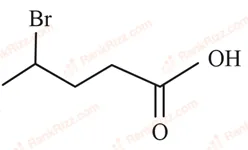
Major product 'P' formed in the following reaction is:
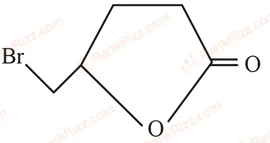
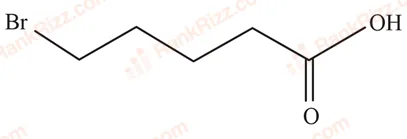
Maximum number of isomeric monochloro derivatives which can be obtained from 2,2,5,5-tetramethylhexane by chlorination is _____
For the given reaction
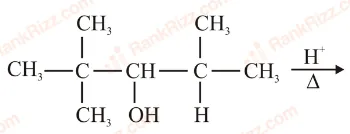
The total number of possible products formed by tertiary carbocation of A is _____.
What will be the major product of following sequence of reactions?
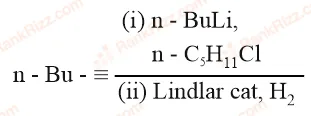
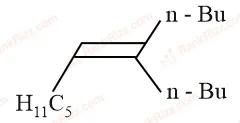
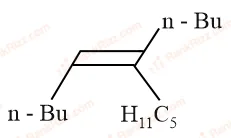
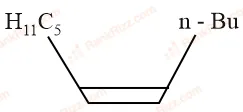
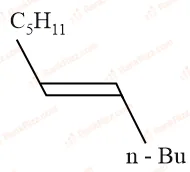
Product 'A' of following sequence of reactions is

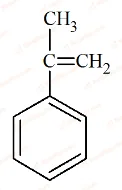
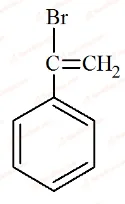
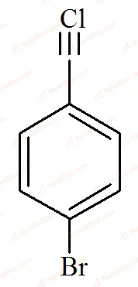
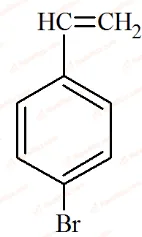
Which among the following pairs of structures will give different products on ozonolysis? (Consider the double bonds in the structures are rigid and not delocalized.)
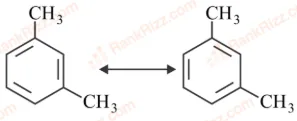
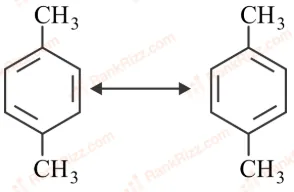
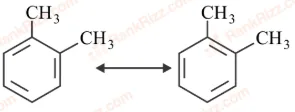
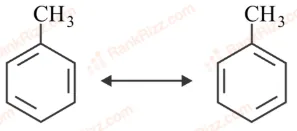
Given below are two statements.
Statement I: The presence of weaker -bonds make alkenes less stable than alkanes
Statement II: The strength of the double bond is greater than that of carbon-carbon single bond.
In the light of the above statements, choose the correct answer from the options given below.
Both Statement I and Statement II are correct.
Both Statement I and Statement II are incorrect.
Statement I is correct but Statement II is incorrect.
Statement I is incorrect but Statement II is correct.
The product formed in the following reaction.
is:
The major product of the following reaction is:
Major product of the following reaction is
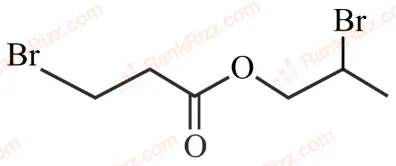
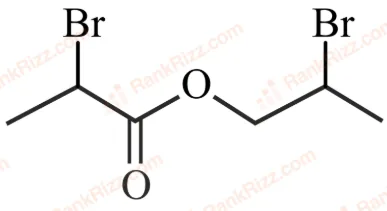
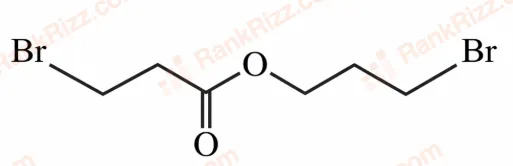
Which of the following reagents / reactions will convert 'A' to 'B'?
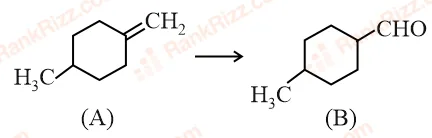
PCC oxidation
Ozonolysis
followed by PCC oxidation
HBr, hydrolysis followed by oxidation by .
OTHER CHEMISTRY CHAPTERS