JEE MAIN 2022 · 27 JUN S1Oxidation and reduction of carbonyl compoundsTRANSCRIBED
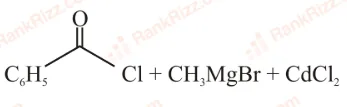
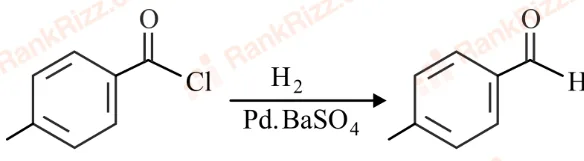
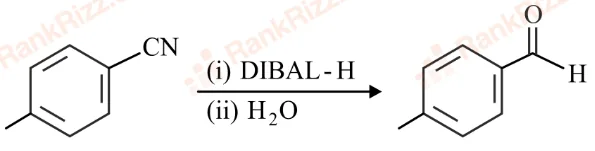
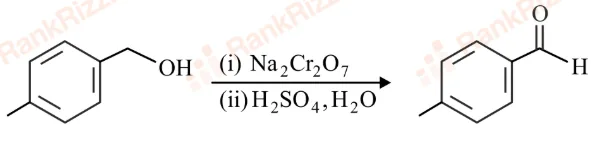
Which of the following reactions will yield benzaldehyde as a product?
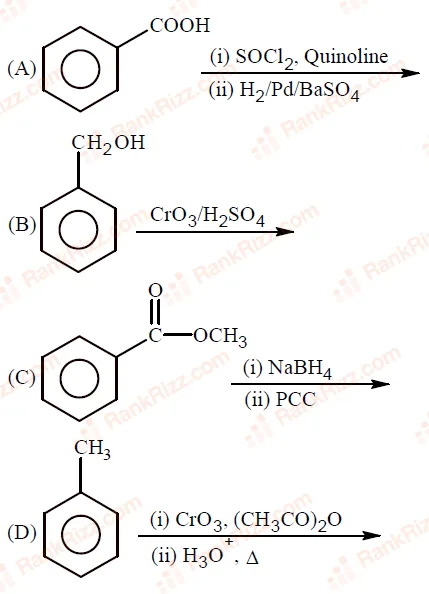
- A
B & C
- B
C & D
- C
A & D
- D
A & C
Every Aldehydes and Ketones question JEE Main has set, grouped by the idea it tests rather than the order of the syllabus. 214 questions across 5 distinct ideas. Free to read, answer key on every one.
Questions
214
Distinct ideas
5
Share of marks
4.6%
Difficulty
HARD
A chapter is not one subject — it is a handful of procedures the examiner reuses. These are the ones Aldehydes and Ketones questions actually test.
101–120 OF 214 · NEWEST FIRST
Which of the following reactions will yield benzaldehyde as a product?
B & C
C & D
A & D
A & C
Hex-4-ene-2-ol on treatment with PCC gives 'A'. 'A' on reaction with sodium hypoiodite gives 'B', which on further heating with soda lime gives 'C'. The compound 'C' is
2-pentene
proponaldehyde
2-butene
4-methylpent-2-ene
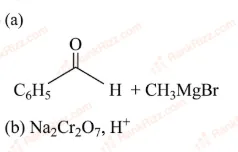
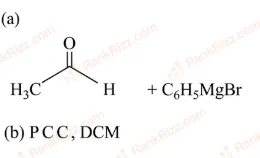
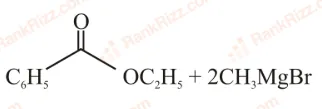
Which of the following conditions or reaction sequence will NOT give acetophenone as the major product?
'A' and 'B' respectively are
A Ethane-1,2-dicarbaldehyde + Glyoxal/Oxaldehyde
B 5-oxohexanal
1-methylcyclohex-1,3-diene & cyclopentene
Cyclohex-1,3-diene & cyclopentene
Cyclohex-1,3-diene & 1-methylcyclopent-1-ene
1-methylcyclohex-1,4-diene & 1-methylcyclopent-1-ene
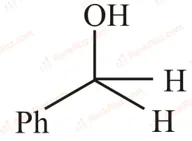
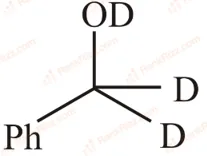
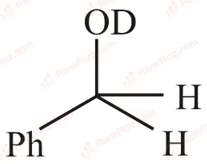
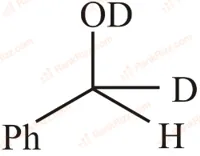
The correct structure of product 'A' formed in the following reaction,

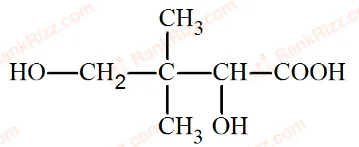
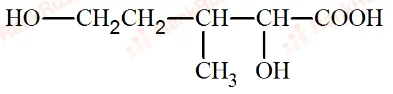
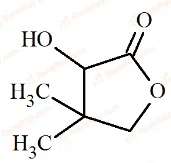
Isobutyraldehyde on reaction with formaldehyde and KCO gives compound 'A'. Compound 'A' reacts with KCN and yields compound 'B', which on hydrolysis gives a stable compound 'C'. The compound 'C' is
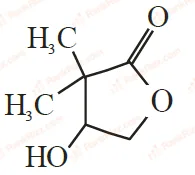
Which one of the following reactions does not represent correct combination of substrate and product under the given conditions?
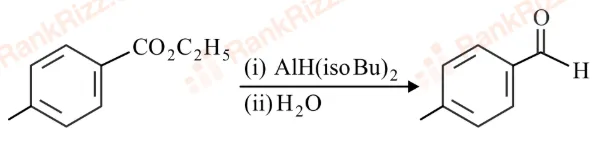
What is the major product of the following reaction?
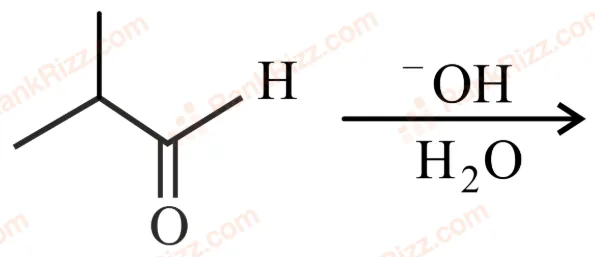
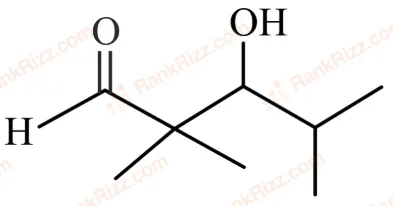
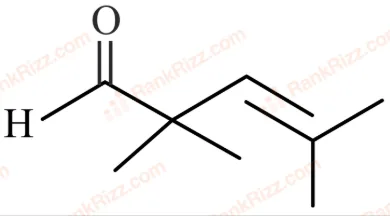
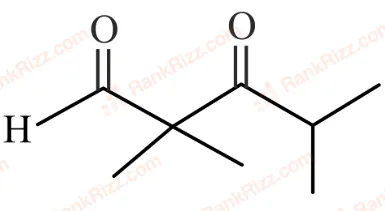
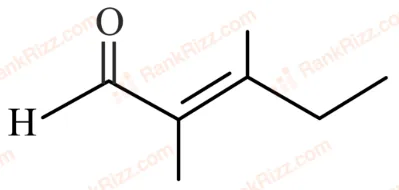

Consider the above reaction and predict the major product.
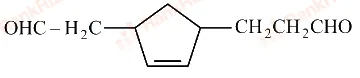
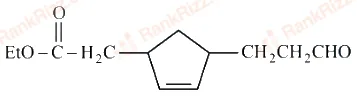
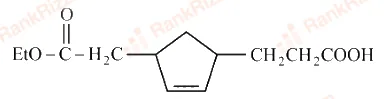
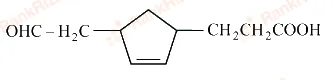
Match List-I with List-II.
| List-I | List-II |
|---|---|
A
 | I. Gatterman Koch reaction |
B
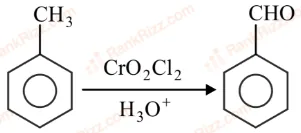 | II. Etard reaction |
C
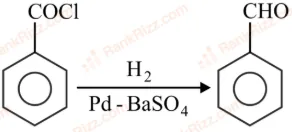 | III. Stephen reaction |
D
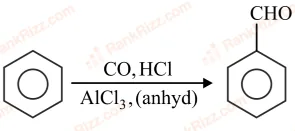 | IV. Rosenmund reaction |
A-IV, B-III, C-II, D-I
A-I, B-II, C-III, D-IV
A-II, B-III, C-IV, D-I
A-III, B-II, C-I, D-IV
The correct structure of C is

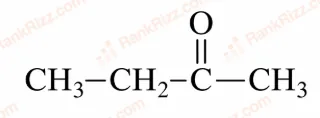
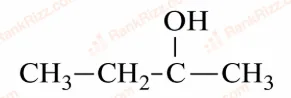
The products formed in the following reaction, A and B are
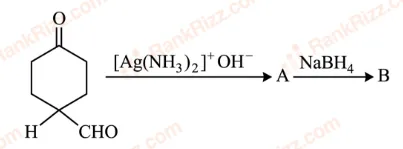
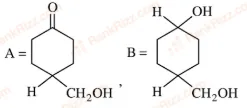
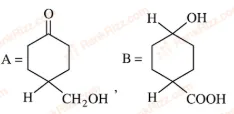
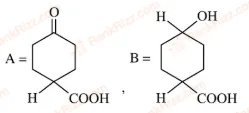
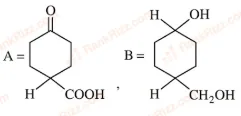
The number of stereoisomers formed in a reaction of with HCN is
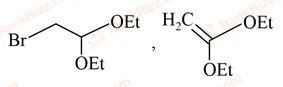
In the given reaction
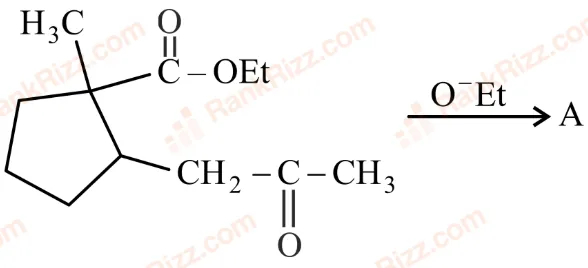
(Where Et is )
The number of chiral carbon(s) in product A is ______.
In the given reaction,
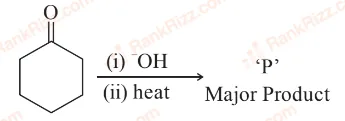
The number of electrons present in the product 'P' is ______.
Assertion A: Enol form of acetone [] exists in < 0.1% quantity. However, the enol form of acetyl acetone [] exists in approximately 15% quantity.
Reason R: enol form of acetyl acetone is stabilized by intramolecular hydrogen bonding, which is not possible in enol form of acetone.
Choose the correct statement:
A is false but R is true
Both A and R are true and R is the correct explanation of A
Both A and R are true but R is not the correct explanation of A
A is true but R is false
In the following sequence of reactions, CH A B + C. The compounds B and C respectively are:
ClCOOK, CHI
CHI, HCOOK
ClCOOK, HCOOH
CHI, CHCOOK
The major product of the following reaction is:
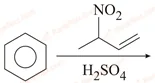
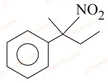

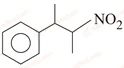
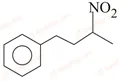
Considering the above reaction, the major product among the following is:
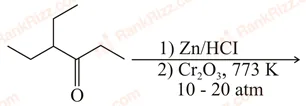
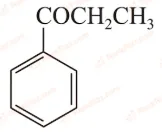
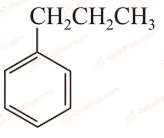
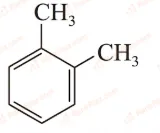
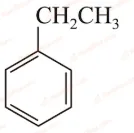

Consider the above reaction sequence, Product "A" and Product "B" formed respectively are:
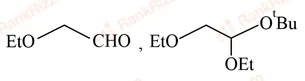
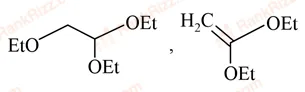
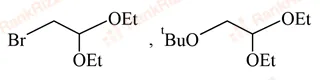
OTHER CHEMISTRY CHAPTERS