JEE MAIN 2021 · 20 JUL S2Reactions of carboxylic acidsTRANSCRIBED
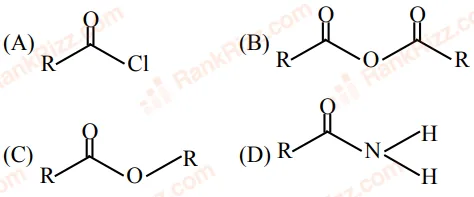
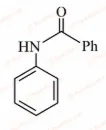
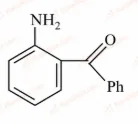
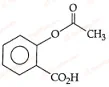
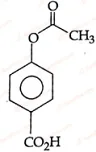
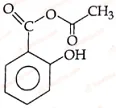
The correct order of their reactivity towards hydrolysis at room temperature is:
- A
(A) > (B) > (C) > (D)
- B
(D) > (A) > (B) > (C)
- C
(D) > (B) > (A) > (C)
- D
(A) > (C) > (B) > (D)
Every Carboxylic Acids and Derivatives question JEE Main has set, grouped by the idea it tests rather than the order of the syllabus. 76 questions across 4 distinct ideas. Free to read, answer key on every one.
Questions
76
Distinct ideas
4
Share of marks
1.4%
Difficulty
HARD
A chapter is not one subject — it is a handful of procedures the examiner reuses. These are the ones Carboxylic Acids and Derivatives questions actually test.
41–60 OF 76 · NEWEST FIRST
The correct order of their reactivity towards hydrolysis at room temperature is:
(A) > (B) > (C) > (D)
(D) > (A) > (B) > (C)
(D) > (B) > (A) > (C)
(A) > (C) > (B) > (D)
Which one of the following compounds will liberate CO, when treated with NaHCO?
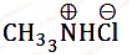
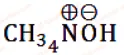
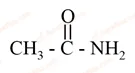
CHNH
The correct sequential addition of reagents in the preparation of 3-nitrobenzoic acid from benzene is:
Br/AlBr, HNO/HSO, Mg/ether, CO, HO
Br/AlBr, NaCN, HO, HNO/HSO
Br/AlBr, HNO/HSO, NaCN, HO
HNO/HSO, Br/AlBr, Mg/ether, CO, HO
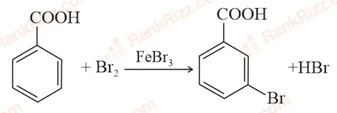
Consider the above reaction where 6.1 g of benzoic acid is used to get 7.8 g of m-bromo benzoic acid. The percentage yield of the product is ___.
(Round off to the Nearest integer)
[Given : Atomic masses : C = 12.0 u, H : 1.0 u, O : 16.0 u, Br = 80.0 u]
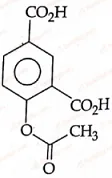
The number of compound/s given below which contain/s group is ______. (Integer answer)
(A) Sulphanilic acid (B) Picric acid (C) Aspirin (D) Ascorbic acid
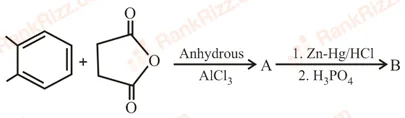
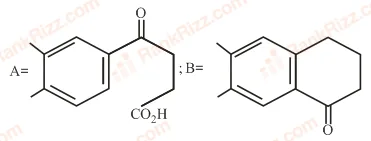
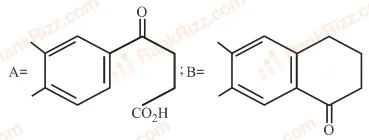
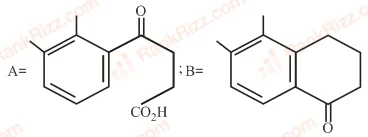
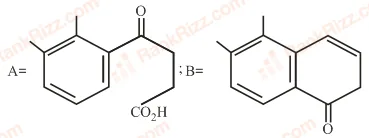
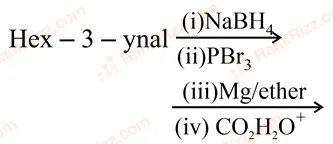
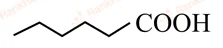
In the following reaction sequence the major products A and B are:
Arrange the following labelled hydrogens in decreasing order of acidity:
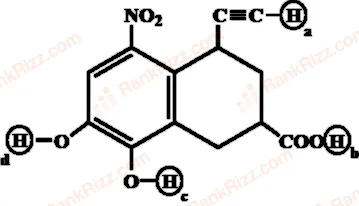
b > a > c > d
c > b > a > d
b > c > d > a
c > b > d > a
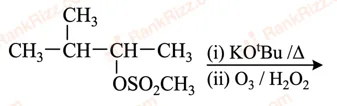
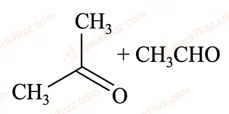
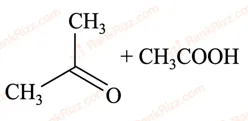
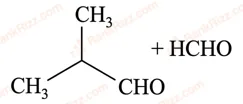
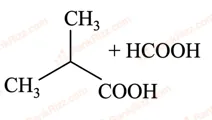
The major products of the following reaction are:
An unsaturated hydrocarbon X absorbs two hydrogen molecules on catalytic hydrogenation, and also gives following reaction:
X A B (3-oxo-hexanedicarboxylic acid). X will be:
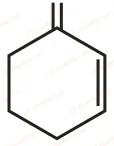
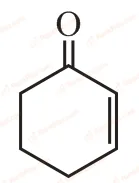
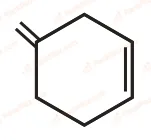
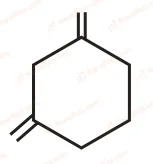
What is the product of the following reaction?



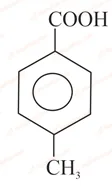
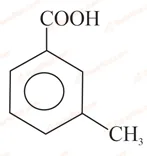
[P] on treatment with in produced a single isomer while heating [P] with sodalime gives toluene. The compound [P] is:
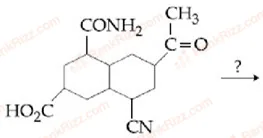
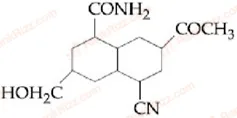
The most suitable reagent for the given conversion is:
BH
NaBH
LiAlH
H/Pd
An organic compound [A], molecular formula was hydrolyzed with dilute sulphuric acid to give a carboxylic acid [B] and an alcohol [C]. Oxidation of [C] with produced [B]. Which of the following structures are not possible for [A]?
P)
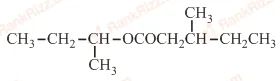
Q)
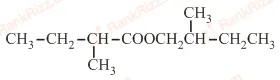
R)
S)
P and Q
Q and R
P and R
Q and S
The major products of the following reaction are:
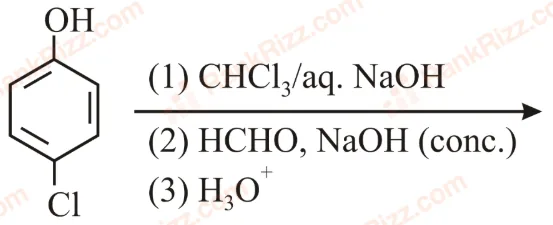
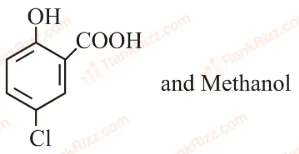
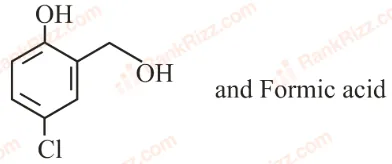
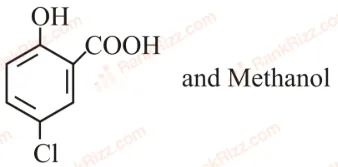
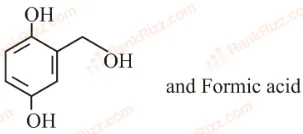
The major product of the following reaction is:
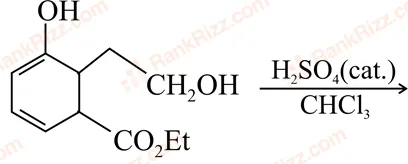
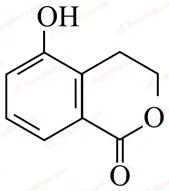
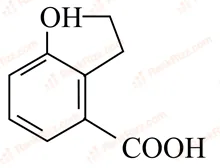
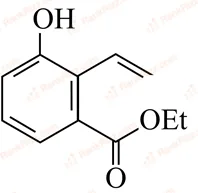
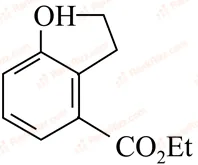
The major product of the following reaction is:
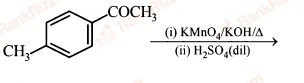
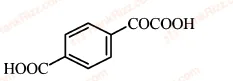
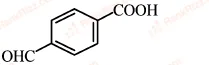
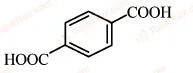
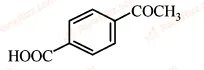
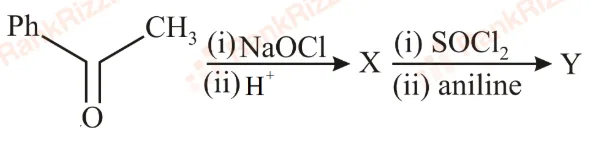
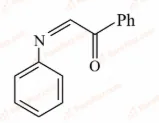
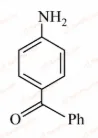
The major product Y in the following reaction is:
The decreasing order of ease of alkaline hydrolysis for the following esters is:
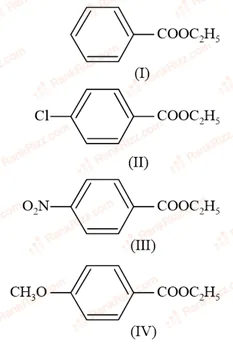
III > II > IV > I
III > II > I > IV
IV > II > III > I
II > III > I > IV
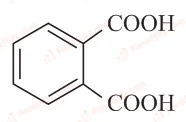
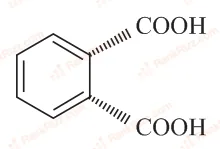
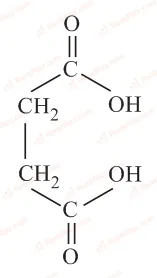
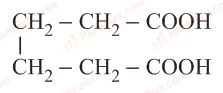
With dehydrating agent present which dicarboxylic acid is least reactive towards forming an anhydride?
Phenol on treatment with in the presence of NaOH followed by acidification produces compound X as the major product. X on treatment with in the presence of catalytic amount of produces:
OTHER CHEMISTRY CHAPTERS