JEE MAIN 2022 · 29 JUL S1Electrophilic substitution of anilineTRANSCRIBED
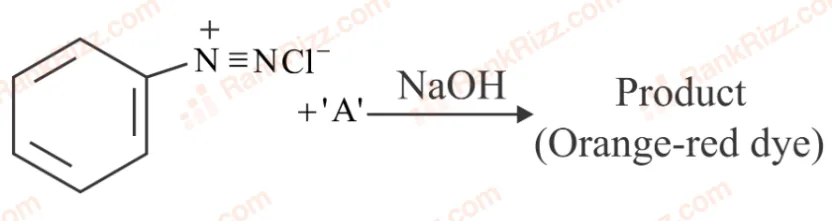
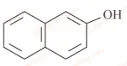
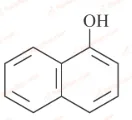
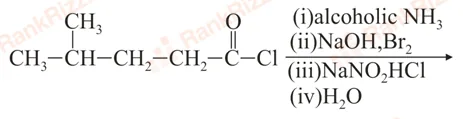
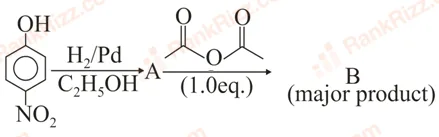
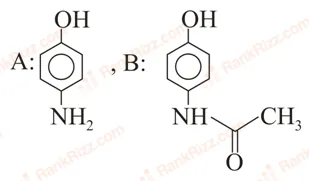
Consider the above reaction, the compound 'A' is
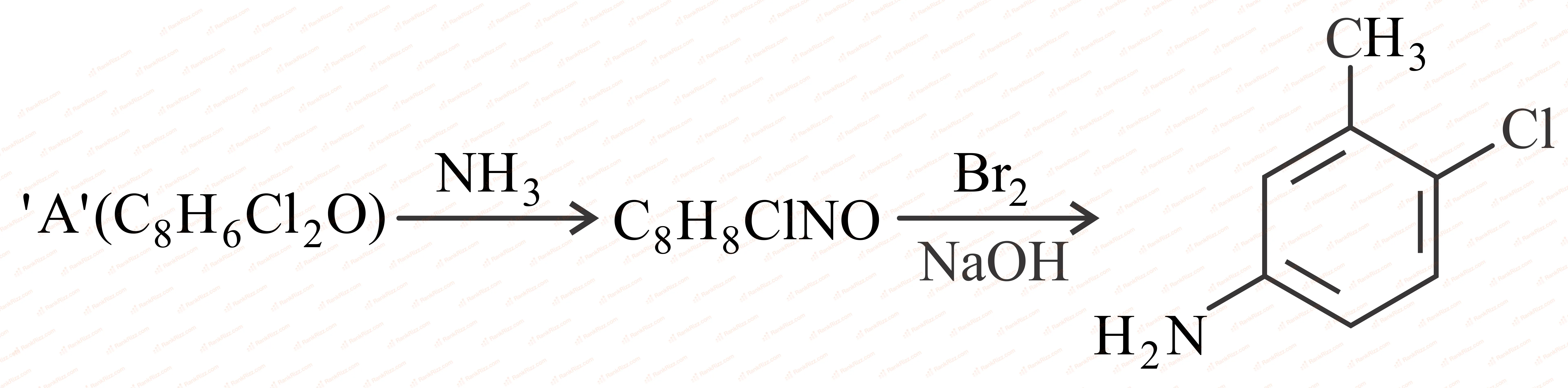
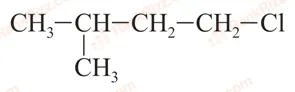
- A
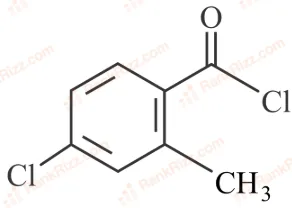
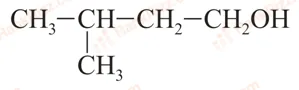
- B
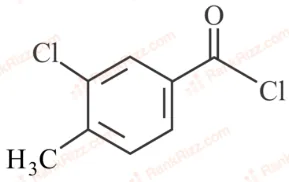
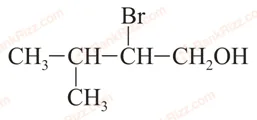
- C
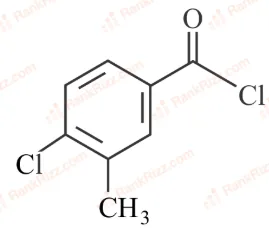
- D
Every Amines and Nitrogen-Containing Compounds question JEE Main has set, grouped by the idea it tests rather than the order of the syllabus. 243 questions across 6 distinct ideas. Free to read, answer key on every one.
Questions
243
Distinct ideas
6
Share of marks
5.1%
Difficulty
HARD
A chapter is not one subject — it is a handful of procedures the examiner reuses. These are the ones Amines and Nitrogen-Containing Compounds questions actually test.
121–140 OF 243 · NEWEST FIRST
Consider the above reaction, the compound 'A' is
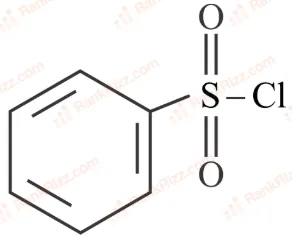
The Hinsberg reagent is
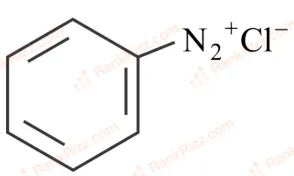
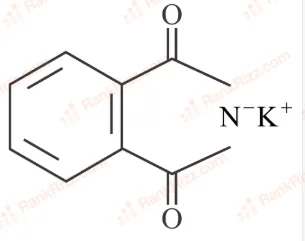
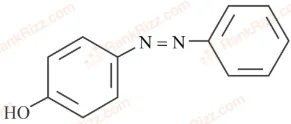
Which among the following represent reagent 'A'?
Given below are two statements:
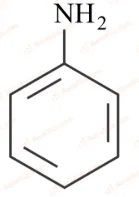
Statement I : Aniline is less basic than acetamide.
Statement II : In aniline, the lone pair of electrons on nitrogen atom is delocalised over benzene ring due to resonance and hence less available to a proton.
Choose the most appropriate option:
Statement I is true but statement II is false.
Statement I is false but statement II is true.
Both statement I and statement II are true.
Both statement I and statement II are false.
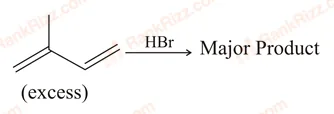
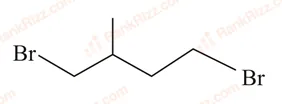
The major product formed in the following reaction is:
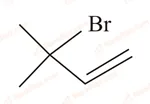
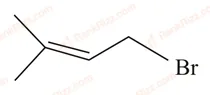
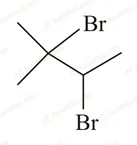
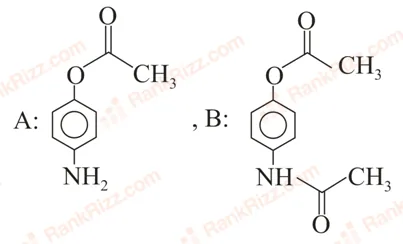
Correct statement about the given chemical reaction is:
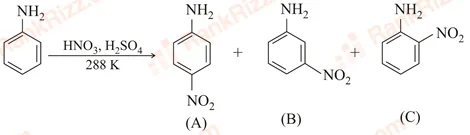
Reaction is possible and compound (A) will be major product.

group is ortho and para directive, so product (B) is not possible.
Reaction is possible and compound (B) will be the major product.
The reaction will form sulphonated product instead of nitration.
In the following reaction, the reason why meta-nitro product also formed is:
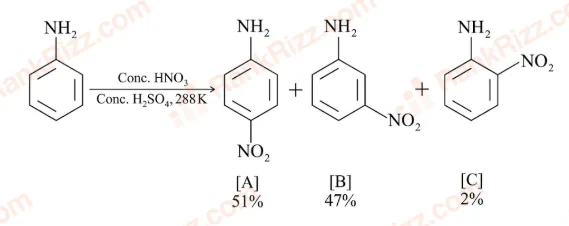
Formation of anilinium ion
group is highly meta-directive
substitution always takes place at meta-position
Low temperature
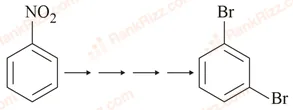
What is the correct sequence of reagents used for converting nitrobenzene into m-dibromobenzene?
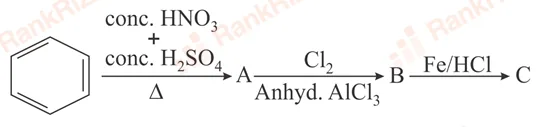
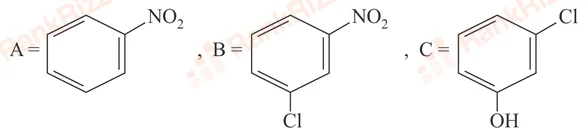
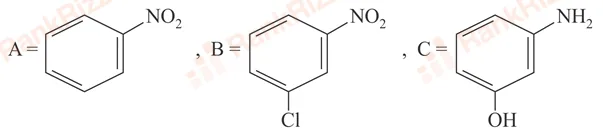
Identify correct A, B and C in the reaction sequence given below:


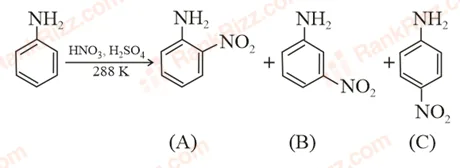
Consider the given reaction, percentage yield of :
C > A > B
B > C > A
A > C > B
C > B > A
The correct sequence of correct reagents for the following transformation is:-
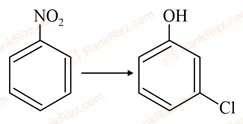
(i) Fe, HCl
(ii) Cl, HCl
(iii) NaNO, HCl, 0°C
(iv) HO/H
(i) Fe, HCl
(ii) NaNO, HCl, 0°C
(iii) HO/H
(iv) Cl, FeCl
(i) Cl, FeCl
(ii) Fe, HCl
(iii) NaNO, HCl, 0°C
(iv) HO/H
(i) Cl, FeCl
(ii) NaNO, HCl, 0°C
(iii) Fe, HCl
(iv) HO/H
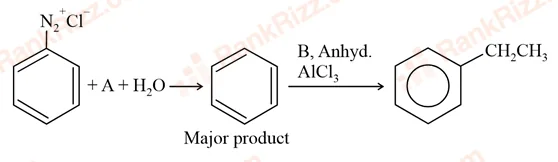
In the chemical reactions given above A and B respectively are:
HPO and CHCHCl
CHCHOH and HPO
HPO and CHCHOH
CHCHCl and HPO

Consider the given reaction, Identify X and Y:
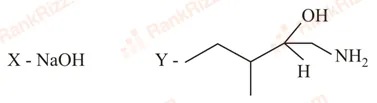
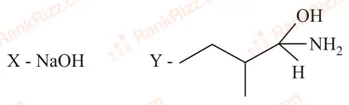
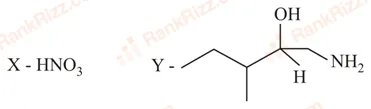
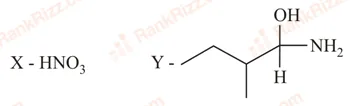
Which of the following reaction/s will not give -aminoazobenzene?
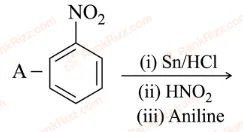
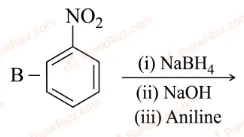
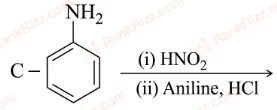
B only
A only
C only
A and B
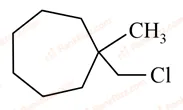
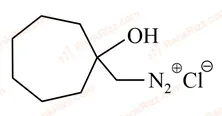
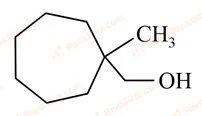
What is the major product "P" of the following reaction?

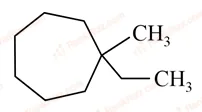
Ammonolysis of Alkyl halides followed by the treatment with NaOH solution can be used to prepare primary, secondary and tertiary amines. The purpose of NaOH in the reaction is.
to remove basic impurities
to activate NH used in the reaction
to remove acidic impurities
to increase the reactivity of alkyl halide.
What is A in the following reaction?
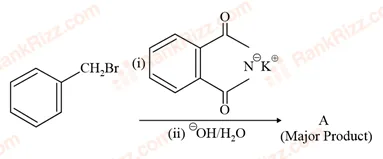
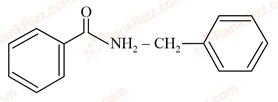
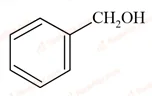
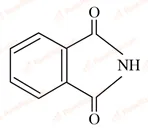
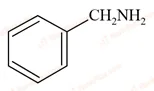
Given below are two statements, one is labelled as Assertion (A) and other is labelled as Reason (R).
Assertion (R) : Gabriel phthalimide synthesis cannot be used to prepare aromatic primary amines.
Reason : Aryl halides do not undergo nucleophilic substitution reaction.
In the light of the above statements, choose the correct answer from the options given below:
Both (A) and (R) true but (R) is not the correct explanation of (A).
(A) is false but (R) is true.
Both (A) and (R) true and (R) is correct explanation of (A).
(A) is true but (R) is false.
The major product of the following reaction is:
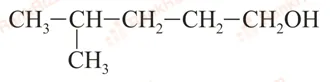
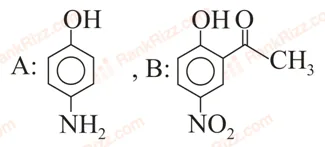
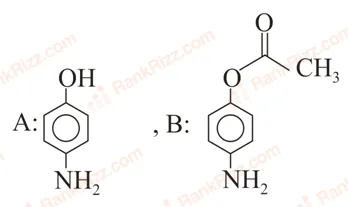
The correct structures of A and B formed in the following reactions are:
OTHER CHEMISTRY CHAPTERS