JEE MAIN 2022 · 29 JUL S1Reactions of phenolsTRANSCRIBED
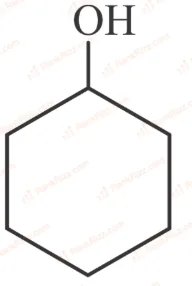
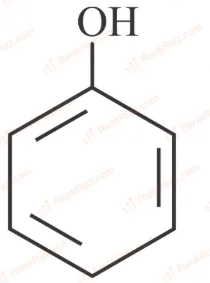
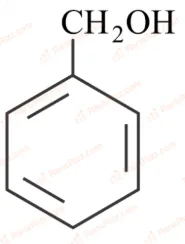
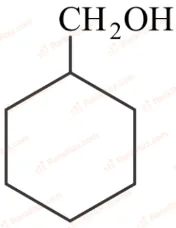
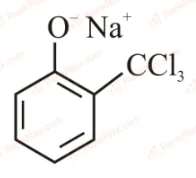
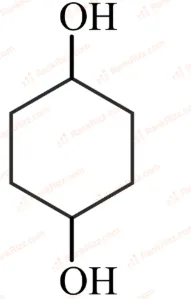
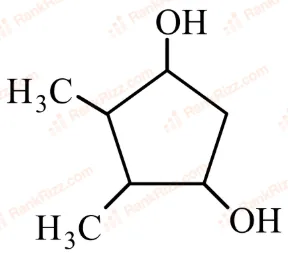
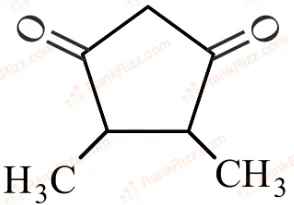
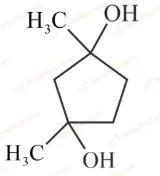
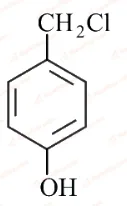
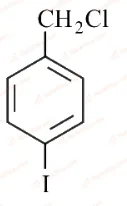
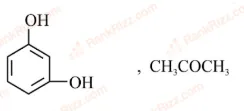
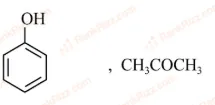
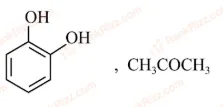
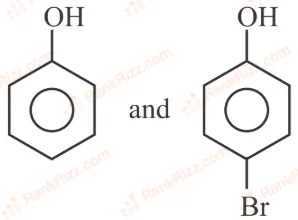
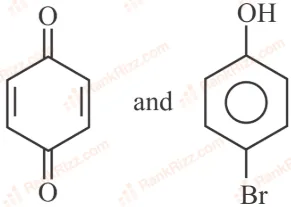
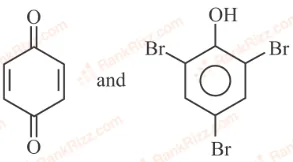
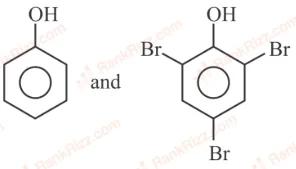
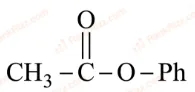
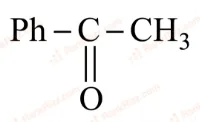
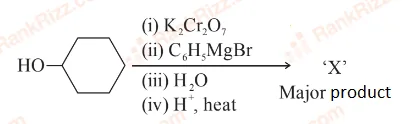
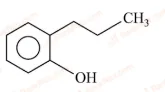
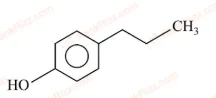
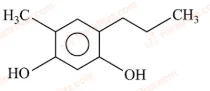
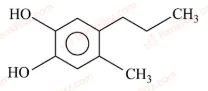
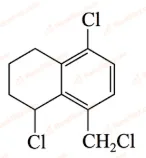
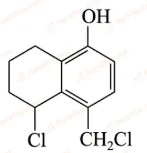
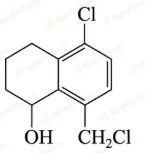
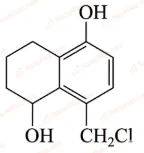
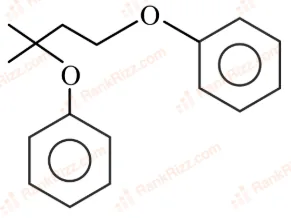
A compound 'X' is acidic and it is soluble in NaOH solution, but insoluble in solution. Compound 'X' also gives violet colour with neutral solution. The compound 'X' is
- A
- B
- C
- D
Every Alcohols, Phenols and Ethers question JEE Main has set, grouped by the idea it tests rather than the order of the syllabus. 182 questions across 5 distinct ideas. Free to read, answer key on every one.
Questions
182
Distinct ideas
5
Share of marks
2.8%
Difficulty
MEDIUM
A chapter is not one subject — it is a handful of procedures the examiner reuses. These are the ones Alcohols, Phenols and Ethers questions actually test.
81–100 OF 182 · NEWEST FIRST
A compound 'X' is acidic and it is soluble in NaOH solution, but insoluble in solution. Compound 'X' also gives violet colour with neutral solution. The compound 'X' is
The intermediate X, in the reaction
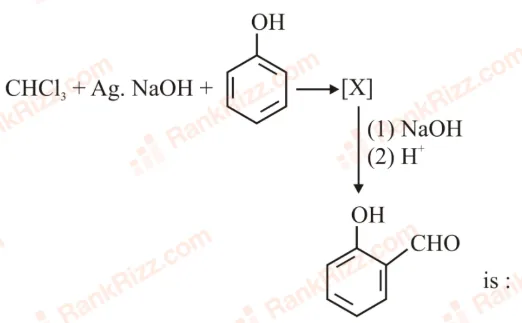
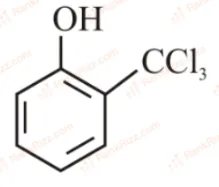
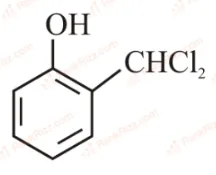
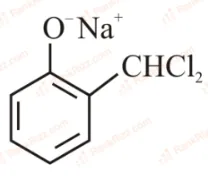

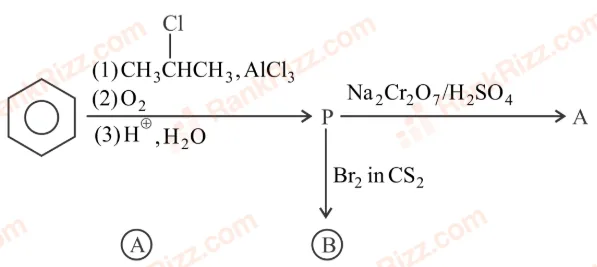
Consider the following reaction sequence and identify the product B.
The difference in the reaction of phenol with bromine in chloroform and bromine in water medium is due to
Hyperconjugation in substrate
Polarity of solvent
Free radical formation
Electromeric effect of the substrate
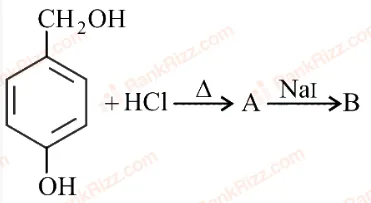
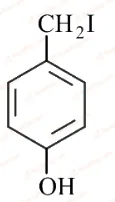
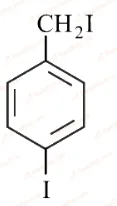
In the above reaction, product B is
In the following reaction :
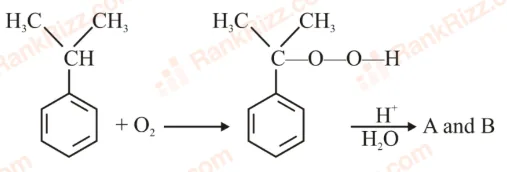
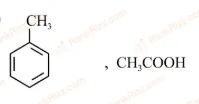
The compounds A and B respectively are
Hydrolysis of which compound will give carbolic acid?
Cumene
Benzenediazonium chloride
Benzal chloride
Ethylene glycol ketal
Identify the major product A and B for the below given reaction sequence.
When ethanol is heated with conc. , a gas is produced. The compound formed, when this gas is treated with cold dilute aqueous solution of Baeyer's reagent, is
Formaldehyde
Formic acid
Glycol
Ethanoic acid
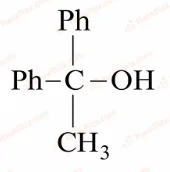
Which reactant will give the following alcohol on reaction with one mole of phenyl magnesium bromide (PhMgBr) followed by acidic hydrolysis?
Compound 'P' on nitration with dil. yields two isomers (A) and (B). These isomers can be separated by steam distillations. Isomers (A) and (B) show the intramolecular and intermolecular hydrogen bonding respectively. Compound (P) on reaction with conc. yields a yellow compound 'C', a strong acid. The number of oxygen atoms is present in compound 'C'
The number of chiral alcohol(s) with molecular formula CHO is ______ (Assume stereoisomers as different chiral alcohols)
In the following reaction,
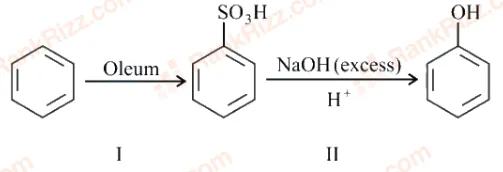
the yield for reaction I is and that of reaction II is . The overall yield of the complete reaction is ______ .
In the given reaction
the number of sp hybridised carbon (s) in compound 'X' is ______.
Which of the following compound gives pink colour on reaction with phthalic anhydride in conc. followed by treatment with NaOH?
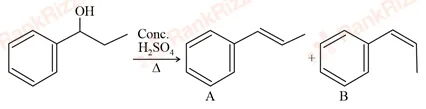
Consider the above reaction, and choose the correct statement:
The reaction is not possible in acidic medium
Both compounds A and B are formed equally
Compound A will be the major product
Compound B will be the major product
Given below are two statements : one is labelled as Assertion (A) and the other is labelled as Reason (R).
Assertion (A): Treatment of bromine water with propene yields 1-bromopropan-2-ol.
Reason (R): Attack of water on bromonium ion follows Markovnikov rule and results in 1-bromopropan-2-ol.
In the light of the above statements, choose the most appropriate answer from the options given below:
Both (A) and (R) are true but (R) is NOT the correct explanation of (A).
(A) is false but (R) is true.
Both (A) and (R) are true and (R) is the correct explanation of (A).
(A) is true but (R) is false.
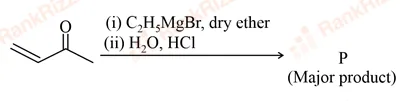
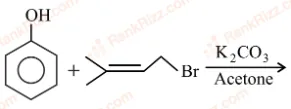
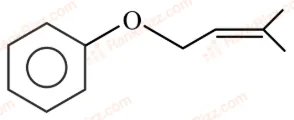
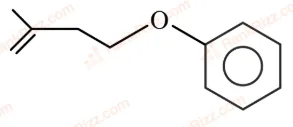
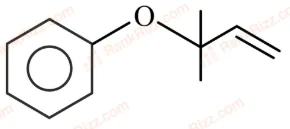
Consider the above reaction, the major product 'P' is:
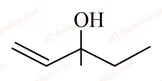
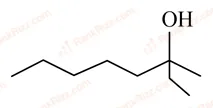
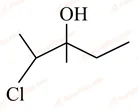
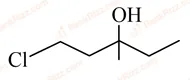
Identify A in the given reaction.
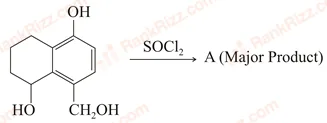
The major product of the following reaction, if it occurs by S2 mechanism is:
OTHER CHEMISTRY CHAPTERS